📖 ZAALS Streetwear Index:
Y2K Fashion Rebooted: How Gen Z is Styling the Millennium Trend in 2026
There is something almost poetic about how fashion loops back on itself. One minute, we are collectively laughing at the early 2000s for being a chaotic mess of shiny lip gloss, extreme low-rise disasters, and flip phones hanging off belts. The next minute? Y2K fashion is absolutely everywhere. But this time around, Gen Z is steering the ship, and trust me, they’ve made the trend sharper, cooler, and way more street-coded than the original era ever imagined.
Across major cities—from downtown lofts and college campuses to late-night parking lot meetups—the millennium mood has returned. But let’s get one thing straight: no one is trying to cosplay 2003. The 2026 vibe is all about taking the nostalgia, stripping away the tacky noise, and building something highly aesthetic and modern out of the past.
What Even is the "New" Y2K?
In the early 2000s, fashion lived in absolute extremes. We are talking outrageously baggy silhouettes, tiny cropped tops, aggressive metallic textures, cartoon graphics, and hoodies big enough to swallow you whole. It was a futuristic but playful world that completely rejected subtlety.
The 2026 global streetwear version? It has the exact same unapologetic attitude, but the execution is completely different. We are seeing more street and less glitter. We trade rhinestone butterfly baby tees for premium heavyweight oversized t-shirts. The low-rise denim drama has been replaced by structured baggy cargos and wide-leg parachute pants. Gen Z basically looked at the 2000s and said, “Let’s keep the main character energy, but update the shape.” And honestly? They nailed it.
Why the World Fell Back in Love with the 2000s
Part of this massive revival is pure nostalgia—and ironically, it's nostalgia for a "digital childhood" many of today's trendsetters never even experienced firsthand. The grainy aesthetics of old MTV screenshots, blurry camcorder footage, vintage magazine covers, and pixelated fonts feel lowkey comforting in a modern world that is often too sharp, too high-definition, and moving way too fast.
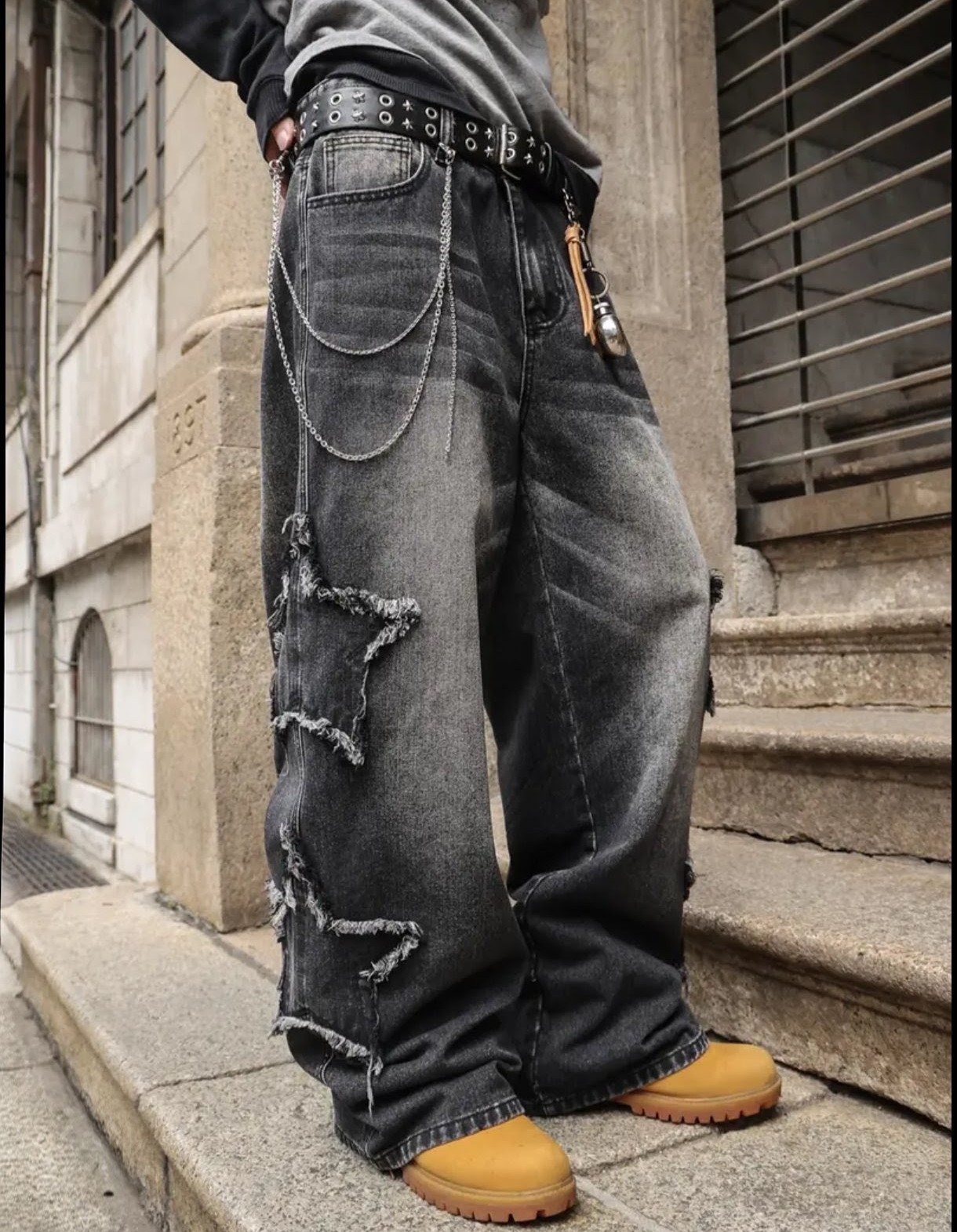
But the biggest reason Y2K fashion is exploding globally right now? Streetwear culture made it ridiculously wearable. Instead of the maximalist, costume-like chaos of the 2000s, today’s take is grounded in high-quality fabrics, muted tones, and streamlined silhouettes. It’s less about looking flashy and more about curating a vibe.
Oversized T-Shirts: The Unofficial Y2K Uniform
If there is one single garment that defines how the modern streetwear scene interpreted Y2K, it is the oversized boxy t-shirt. While the original 2000s era was obsessed with tight baby tees, modern street culture prioritizes drape, comfort, and silhouette.
A thick, 280gsm graphic oversized t-shirt hits that Y2K nostalgia perfectly without crossing into cringe territory. It brings a clean shape, bold visual graphics, and the ultimate freedom to layer. Plus, it pairs flawlessly with literally everything in your rotation:
- Baggy washed denims
- Utility cargo pants
- Vintage zip-up hoodies
- Faded Y2K sweatshirts
If tight fits were the ghost of Y2K’s past, the heavyweight oversized tee is its undisputed future.
Baggy Bottoms: The Architecture of the Fit
If oversized shirts are the uniform, baggy bottoms are the absolute architecture of the modern Y2K outfit. Nothing screams millennium fashion quite like pants with serious volume. But thankfully, we left the extreme low-rise nightmare in the past. Today’s streetwear enthusiasts are gravitating toward wide-leg denims, relaxed straight fits, and heavy utility cargos.
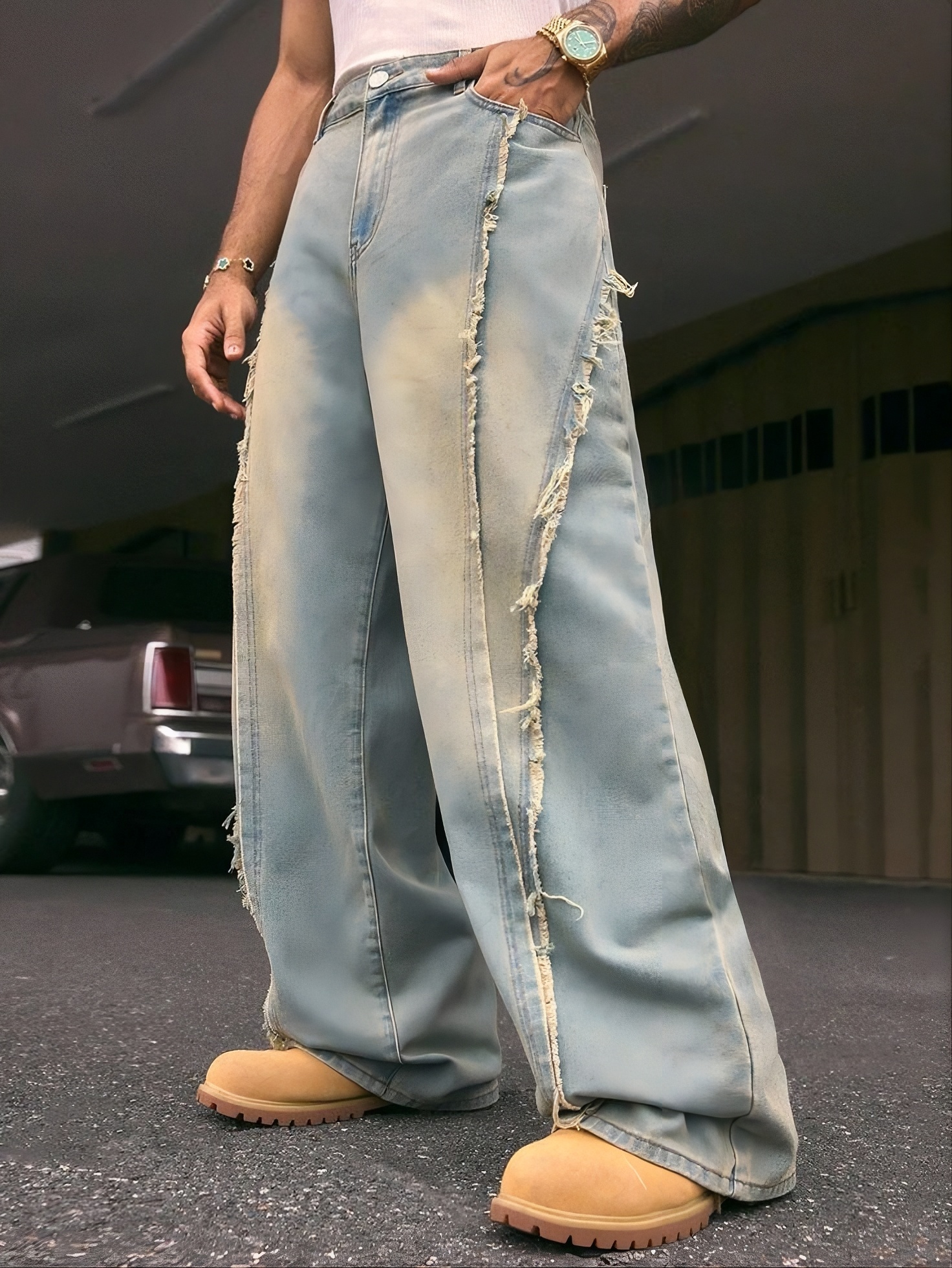
Baggy denim gives your fit its necessary base. It balances out oversized upper layers, makes a simple zip-up look highly intentional, and transforms a basic tee into a curated street-coded moment. Whether you are rocking a faded vintage wash or deep raw denim, volume is non-negotiable.
The Dominance of Y2K Zip-Ups and Hoodies
The early-2000s hoodie era was wild—think massive logos, bedazzled text, and loud colors. The 2026 revival is way more calculated. Today's Y2K hoodies and sweatshirts are heavier, cleaner, moodier, and often rely on monochrome palettes with serious graphic restraint.
The Y2K zip-up hoodie, in particular, is having a massive moment. It is the absolute easiest way to achieve that effortless "off-duty celebrity at the airport" aesthetic. Wear it completely open over a faded graphic tee to show off your layers, half-zipped for structured volume, or fully zipped for a darker, techwear-adjacent tone. Throw a distressed zip-up over some baggy cargos, and you are radiating Y2K energy without saying a single word.
How to Build an Aesthetic Outfit Without Looking Like a Time Capsule
If you are stepping into the Y2K streetwear aesthetic for the first time, start simple. You don't need to overcomplicate it. The core of a perfect fit starts with just two high-quality pieces: a heavy oversized t-shirt and baggy denim.
From that base, you can elevate the look by layering a sleek zip-up hoodie or a graphic-heavy sweatshirt. Anchor the entire outfit with chunky-soled sneakers to ensure your wide-leg pants don't swallow your feet. Add minimal accessories—a ribbed knit beanie, a silver chain, or retro wrap-around sunglasses.
The overall vibe should always feel effortless. True Y2K streetwear is messy, chill, and highly confident. It’s that perfect “I woke up like this, but I also deeply understand proportions” energy. Shape is always more important than noise, and mood will always beat flashy branding.
Ready to upgrade your daily rotation? Hit the ZAALS shop to cop the cleanest oversized drops and start building your ultimate Y2K wardrobe today.
Frequently Asked Questions (FAQs)
What exactly is modern Y2K Fashion?
Modern Y2K fashion is a contemporary revival of early-2000s style—think oversized t-shirts, baggy denim, utility cargos, graphic hoodies, and zip-up jackets—all reimagined through the lens of modern, high-quality streetwear culture.
What are the must-have streetwear essentials right now?
To build a solid rotation, start with premium heavyweight oversized tees and wide-leg baggy denims. Once you have your base, add a vintage-wash Y2K zip-up hoodie and a pair of chunky sneakers to anchor the silhouette.
Are oversized shirts part of the Y2K aesthetic?
Absolutely. While the original era featured tighter tops, the modern streetwear interpretation of Y2K relies heavily on oversized, boxy t-shirts to create a relaxed, effortless, and street-coded silhouette.
How do I style baggy cargo pants?
Baggy cargos work best when the rest of your outfit matches their volume. Pair them with a relaxed graphic tee and layer with an oversized zip-up hoodie. Always wear chunky sneakers or boots with cargos so the hem drapes perfectly over the shoe.
The Ultimate 2026 Streetwear Dictionary: Skate, Hype, Tech, and Athleisure Explained
If you have scrolled through your feed for even five seconds today, you’ve definitely noticed it. The oversized heavyweight hoodies, the perfectly faded vintage band tees, the chunky sneakers that somehow look effortlessly clean. Streetwear isn't just a trend anymore; in 2026, it is the absolute baseline of modern fashion. It has completely taken over, and it's showing zero signs of slowing down.
But here is the reality check that most people miss: "Streetwear" is not just one singular aesthetic. It is actually a massive umbrella covering four entirely distinct subcultures. Each movement has its own DNA, its own deep cultural roots, and its own unspoken rules of styling. If you want to move past just blindly following trends and actually start curating authentic fits, you need to understand the blueprint.
What Even Is Streetwear? (Beyond the Instagram Grid)
Before we break down the four types, let’s decode what streetwear actually means. It runs way deeper than just throwing on a graphic tee and some expensive sneakers.
At its core, streetwear is casual, urban fashion birthed from the 1980s and 90s underground scenes—specifically the skateboarding community, the golden era of hip-hop, graffiti art, and the DIY ethos of punk rock. The defining elements have always been comfort, radical self-expression, and a massive middle finger to the rigid gatekeeping of traditional high fashion.
Unlike luxury runway collections that are dictated by out-of-touch designers, streetwear emerged entirely from the pavement. Skaters needed durable denims and heavy cottons that could survive brutal concrete falls. Hip-hop artists utilized oversized silhouettes to communicate identity and untouchable status. Graffiti writers required functional, dark gear for midnight missions. These strictly practical needs birthed a global movement that prioritized authenticity over polished perfection.
Why this matters in 2026: What started as a counterculture has exploded into a multi-billion-dollar global phenomenon. But the rules have shifted. Massive, endless production runs have been replaced by limited drops. Exclusivity and scarcity are the new currency. The most highly respected fits today involve blending worn-in vintage grails with sharp contemporary silhouettes. At ZAALS, our curation focuses entirely on this scarcity-driven, authentic approach—because flooding the market contradicts everything the culture stands for.
The 4 Core Pillars of Streetwear
Streetwear is not a monolith. It splits into four distinct categories, ranging from gritty skate parks to futuristic cyberpunk utility. The best dressers don't lock themselves into just one box; they blend aesthetics to create layered tension. Here is your breakdown.
1. Skatewear: The Godfathers of the Game
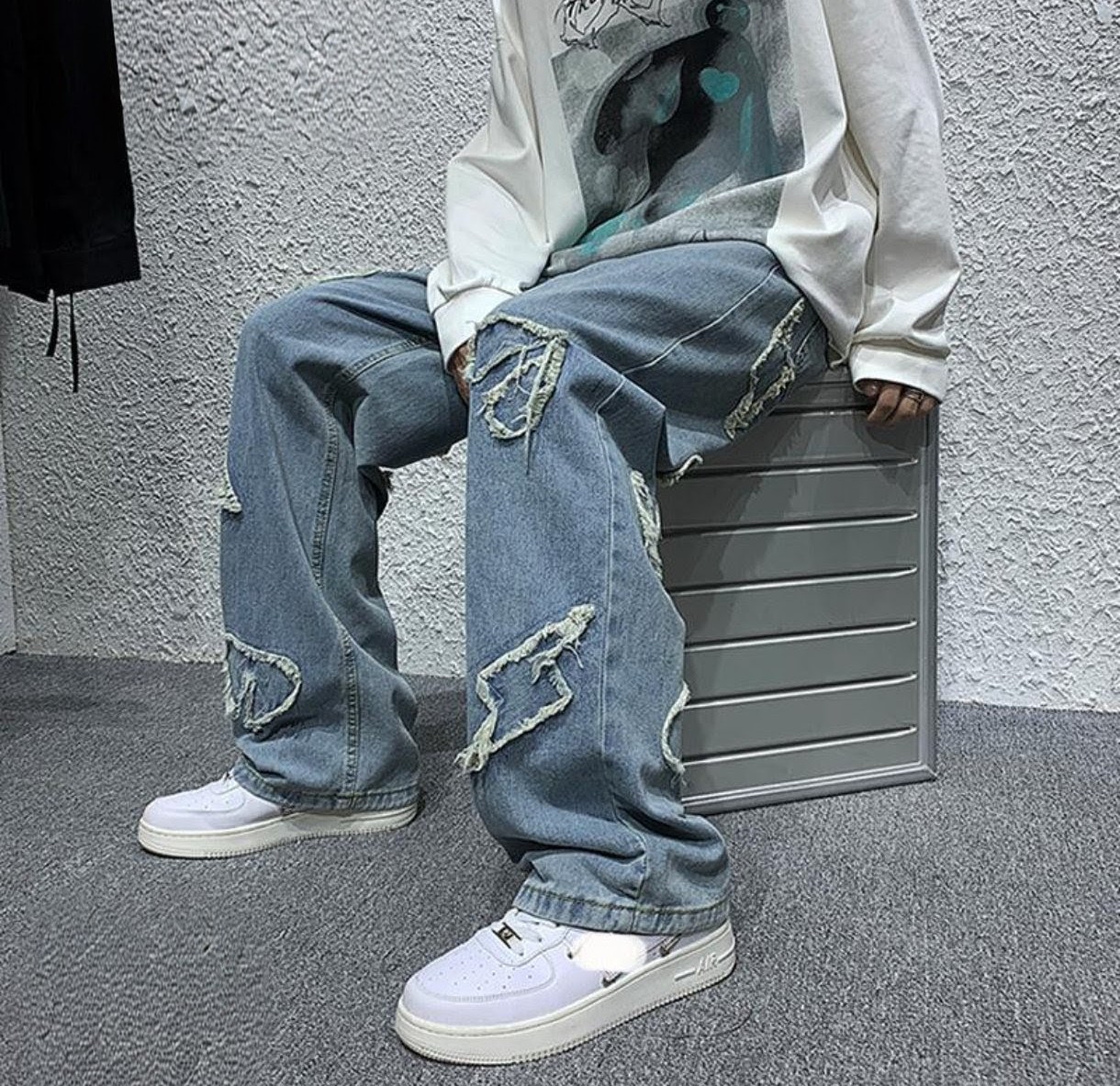
This is ground zero. Born in the late-1970s sun-drenched skate parks of California, skatewear was never supposed to be "fashion"—it was literally survival gear. Pioneering brands built an empire on a simple philosophy: create functional clothing tough enough to handle kickflips, bails, and daily street abuse.
The Blueprint:
- Silhouettes: Massively oversized graphic tees, ridiculously baggy cargo pants, and relaxed hoodies that offer zero restriction to your movement.
- Materials: Indestructible heavy-wash denim and 280gsm heavyweight cottons engineered to fight concrete.
- The Grails: Classic flat-soled skate shoes (think SB Dunks or vintage Vans), snapbacks, and faded logo tees repping core skate brands or punk bands.
2026 Trend Check: Right now, the aesthetic is all about perfectly worn-in vintage skate tees layered under heavyweight unbuttoned flannels. The massive 90s baggy cargo revival is completely dominating, especially when pooled over chunky skate sneakers. In 2026, distressed, beat-up pieces carry infinitely more street credibility than something fresh out of the plastic. Authenticity always beats perfection.
2. Hypebeast Culture: The Art of the Flex
If skatewear was born from pure necessity, hype culture emerged entirely from manufactured desire. This pillar evolved directly from hardcore sneaker collecting and the rise of limited-release drop culture. Brands realized a core truth: artificial scarcity drives insane demand, which spikes the resale value, which ultimately creates untouchable cultural cachet.
3. Techwear: The Cyberpunk Reality
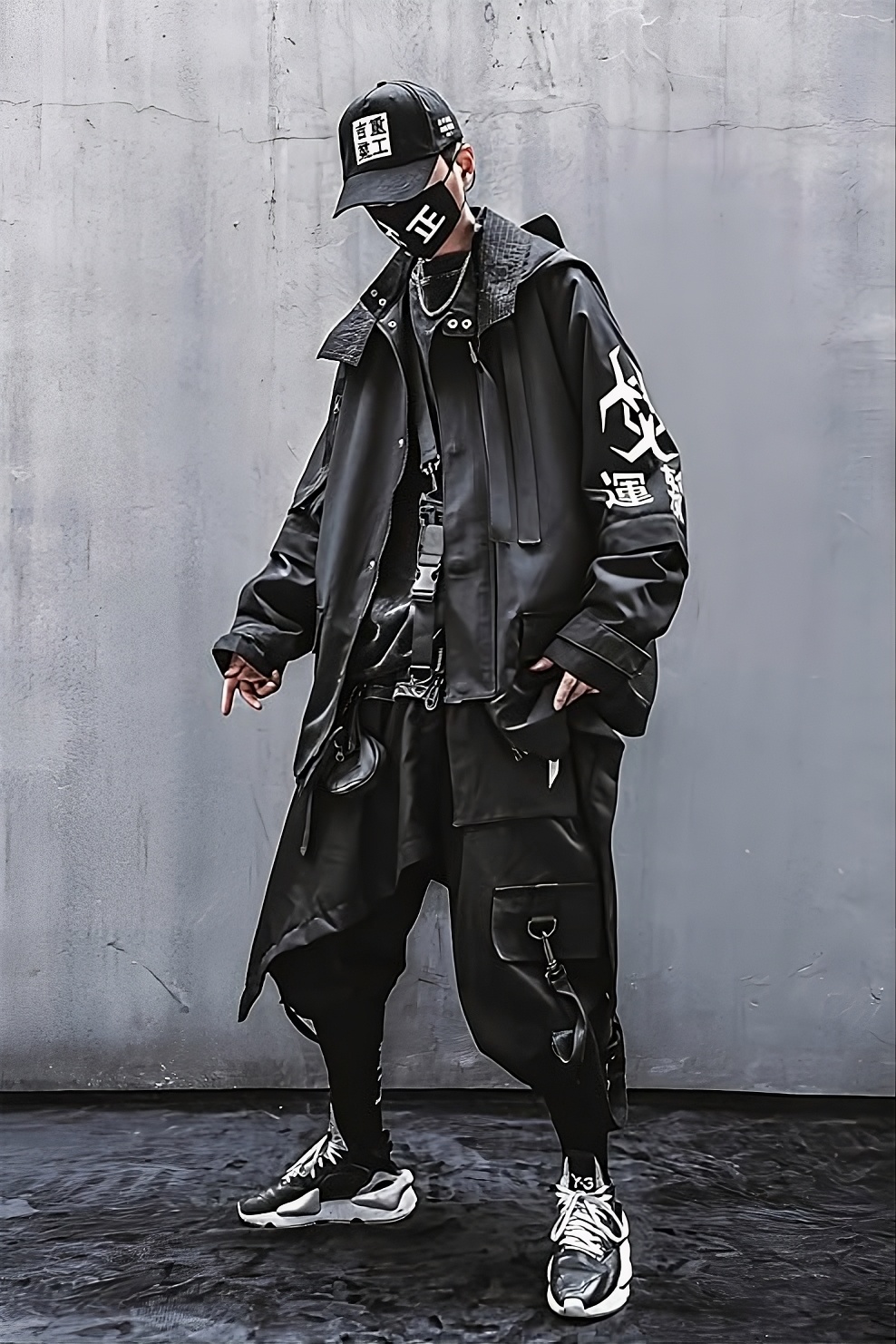
Techwear represents streetwear’s most radical evolution—the exact point where gritty urban aesthetics collide with high-performance technical fabrics. Pioneering labels drew heavy inspiration from cyberpunk fiction and intense utility needs. Fast forward to 2026, and "futurism" is no longer just a concept; it is literally woven into the garments.
The Blueprint:
- Materials: Fully waterproof, hyper-breathable fabrics like Gore-Tex, advanced ripstop nylon, and heat-sensitive materials.
- Design: Modular pocket systems (for holding everything from your phone to a charger), adjustable tactical straps, and completely sheer layering pieces that add a futuristic dimension.
- Aesthetic: Strict monochrome color palettes—mostly black, charcoal, and dark olive—creating a sleek, ninja-adjacent silhouette.
2026 Trend Check: The days of techwear feeling like an aggressive costume are over. The modern trend is mixing high-performance tech jackets with completely opposing styles. Imagine layering a sleek, water-resistant Gore-Tex shell over a heavily distressed 90s vintage band tee. That high-low contrast creates an incredibly compelling visual tension. Plus, the slow fashion movement has forced brands to innovate—we are now seeing sustainable, recycled technical fabrics that protect you from the elements without destroying the planet.
4. Athleisure-Streetwear: The Comfort Hybrid
The global shift toward working from home accelerated what was already brewing: the complete fusion of athletic wear and street style. Brands rode this massive wave to cultural dominance by prioritizing one simple truth—how clothing feels is just as important as how it looks. The idea is to effortlessly transition from the gym to your local coffee shop, all while looking like you intentionally styled the fit.
The Blueprint:
- Silhouettes: Heavyweight joggers, massively oversized hoodies, and athletic shorts proudly worn outside the gym environment.
- Vibe: Relaxed, elevated basics that offer maximum coziness. It is the ultimate "smart casual" flex.
- Signature Pieces: Matching monochrome sweat sets, reimagined sports jerseys (worn by fashionistas who don't even watch the sport), and retro athletic runners.
2026 Trend Check: Fitted athleisure is dead. The current mood is all about "sizing up twice" on your hoodies and pairing them with structured bottoms like straight-cut jeans or wide-leg trousers. We are also seeing a massive resurgence of the Princess Diana aesthetic—pairing a massive, boxy sweatshirt with biker shorts and chunky sneakers. It is comfortable, it is timeless, and it hits every single trend metric perfectly.
The 2026 Rulebook: How to Actually Style It All
Now that you know the four pillars, how do you actually build an outfit that doesn't look basic? It all comes down to "Not-So-Basic Basics" and intentional layering. Here are the golden rules of streetwear right now:
Rule 1: The High-Low Clash
The most respected outfits right now blend formal wear with raw street elements. Throwing a sophisticated, double-breasted peacoat over a graphic hoodie and wide-leg trousers is the ultimate 2026 flex. It shows you understand tailoring but refuse to play by traditional rules.
Rule 2: Maximalism is Making a Comeback
Minimalism had its run, but 2026 is seeing a loud rebellion. "More is more" is the new mantra. Don't be afraid to mix bold animal prints, throw on oversized scarves (worn as hoods), and layer heavy silver accessories over a simple tank top. If you are going loud, go all the way.
Rule 3: Mix the Eras
Nostalgia is a tool, not a uniform. You shouldn't look like you just stepped out of a time machine from 2003. Instead, take a vintage Y2K graphic tee and pair it with modern, sustainable wide-leg denim. Mix the classic Vans Old Skool with a futuristic, asymmetrical top. Authenticity lives in the contrast.
Streetwear isn't just about what you wear; it is about the message your outfit conveys. It is about taking standard basics—like a white tee or a leather jacket—and demanding they have unique cuts, fresh textures, and actual character.
Stop settling for mass-produced fast fashion that falls apart after one season. Build an intentional wardrobe. Hit the ZAALS shop to explore our curated drops of heavyweight tees, perfect baggy denims, and elevated essentials that respect the culture.
← Back to ShopElevated Streetwear: The "Quiet Luxury" Crossover
If you think streetwear is only about looking as loud as possible, you are missing out on the biggest aesthetic shift of 2026. Enter "Elevated Streetwear"—the perfect hybrid of street grit and "quiet luxury." This is exactly how Gen Z dresses when they need to look polished for an internship, a creative studio job, or a high-end dinner, without losing their core aesthetic.
The rules of the corporate uniform have been completely rewritten. A rigid, uncomfortable suit is out. Instead, we are seeing neutral, unstructured blazers thrown over premium heavyweight blank tees. We are seeing wide-leg tailored trousers paired with classic, beat-up skate shoes or chunky loafers. The key here is color palette: stick to muted earth tones, deep blacks, and clean whites. You look intentional, expensive, and incredibly comfortable all at once.
The Archive Economy: Thrifting and Sustainability
Let’s talk about the biggest flex in modern fashion: Archive and Pre-loved clothing. Rocking a brand-new, mass-produced fast-fashion piece? Lowkey embarrassing in 2026. Rocking a faded, single-stitch vintage band tee from 1998 that you hunted down at a local thrift store? Absolute main character energy.
Sustainability is no longer just a buzzword; it is a fundamental requirement. Streetwear enthusiasts are heavily leaning into upcycled jackets, heavily washed vintage denims, and second-hand grails. It solves two problems at once: it fights climate anxiety by reducing landfill waste, and it guarantees that absolutely no one else in the room will be wearing the exact same outfit as you. Exclusivity isn't just about buying expensive drops anymore; it’s about the hunt.
Building Your 2026 Rotation (The Ultimate Checklist)
You do not need to drop your entire paycheck on every single micro-trend to look good. If you are trying to build an aesthetic, versatile wardrobe from scratch, think in categories rather than individual hype pieces. Here is the ZAALS approved capsule wardrobe:
- The Bottoms: You need three pairs. One dark, straight-fit denim for elevated looks. One extremely baggy, light-wash denim for daily wear. One pair of heavy-duty utility cargos.
- The Tops: 3-4 premium heavyweight "blank" tees (white, black, grey). 2-3 authentic vintage graphic tees. 1 chunky knit polo for layering.
- The Outerwear: One retro varsity jacket (the ultimate Y2K throwback), one distressed bomber jacket, and one oversized zip-up hoodie.
- The Footwear: A crisp pair of white statement sneakers, one pair of classic "beat-up" skate shoes (like Vans or Converse), and one pair of chunky runners (like ASICS or New Balance 550s).
- The Details: Accessories matter. A subtle silver chain, a couple of heavy rings, and a faded snapback or beanie. Keep it minimal but intentional.
Once you have this exact base covered, expressing your personal style simply comes down to how you layer them, not how much new stuff you can buy.
Final FAQs: Mastering the Streetwear Mindset
Do I need to follow every streetwear trend to look current?
Absolutely not. The most stylish people naturally gravitate toward two or three specific silhouettes that fit their body type and lifestyle, and they completely ignore the rest. Whether you lean into techwear, Y2K nostalgia, or elevated basics, consistency and confidence are what make an outfit work.
How can I build a streetwear wardrobe on a budget?
Start with versatile, high-quality basics (like ZAALS blank tees and a solid pair of jeans). Then, aggressively hunt for vintage or thrifted outerwear and statement pieces. Mixing one or two fresh, premium items with older, pre-loved garments keeps your costs low and your outfits entirely unique.
Can I wear streetwear to a professional setting?
Yes, but you have to master the "Elevated Streetwear" look. Swap the graphic tees for solid knit polos or heavyweight blanks. Trade the heavily distressed cargos for clean, wide-leg trousers or dark, straight-cut denim. Add a neutral overshirt or unstructured blazer, and finish with clean, minimal sneakers or loafers. It shows you respect the environment but refuse to sacrifice your personal brand.
What is the biggest mistake beginners make in 2026?
Forgetting about proportions. Wearing an oversized hoodie with skinny jeans throws off your entire visual balance. If you are going big on top, you need volume on the bottom. Always anchor a baggy outfit with a substantial, chunky shoe.
Ready to elevate your daily rotation?
Stop blending in with the crowd. Browse our latest limited-release drops and find the pieces that actually speak to your aesthetic.
Shop ZAALS New ArrivalsThe 12 Streetwear Trends That Will Actually Dominate Your 2026 Lookbook
Streetwear never sits still. It is in a constant state of hyper-evolution. As we lock into 2026, we are witnessing a massive collision between past nostalgia and futuristic innovation across the globe. Get ready for the unapologetic confidence of the mid-2000s, remixed with cyberpunk fabrics and a deep commitment to conscious fashion.
This isn’t just another basic trend report—this is the ZAALS definitive guide to the 12 essential aesthetics that are dictating street style right now. The "Digital Nostalgia" movement is fully reviving the wild optimism of 2006, but it is being aggressively filtered through today’s eco-conscious lens and advanced technical construction. Whether you are building your personal rotation or trying to cop the next big drop, these are the trends you need on your radar.
1. The "Digital Nostalgia" Graphic Hoodie
The standard graphic hoodie is getting a massive Y2K upgrade. We are talking about imagery pulled straight from early digital culture, speaking directly to Gen Z’s fascination with retro tech. Imagine pixel art heavily inspired by classic 8-bit games, retro-futuristic interfaces that look like early Windows software, and abstract 3D renders that resemble vintage screensavers brought back to life.
The silhouette is deeply intentional: extremely oversized, aggressively boxy, and cut from premium heavyweight organic cotton. This isn’t a cheap, logo-slapped hoodie. It’s an intellectual, nostalgic statement piece that turns casual comfort into a conversation starter. It’s for those who want to literally wear their digital heritage.
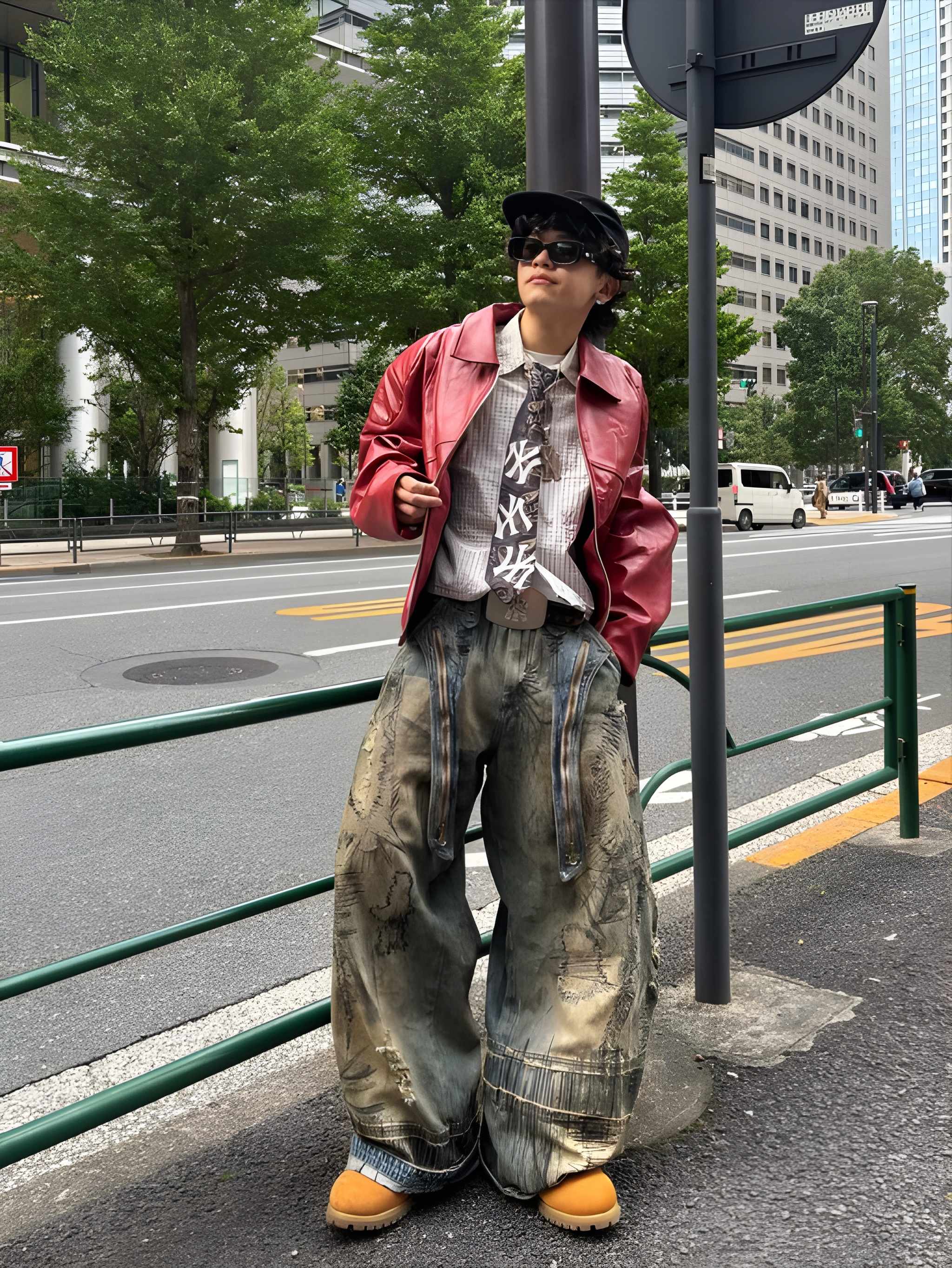
2. Iridescent "Gorp-Core" Windbreakers
Functionality meets absolute fantasy. This trend completely reimagines the practical outdoor windbreaker by crafting it from shimmering, iridescent nylon. These jackets shift colors—from electric turquoise to deep purple to liquid silver—depending entirely on how the light hits them. Drawing heavy influence from the "mermaid-core" and intense outdoor utility (Gorp-core) movements, these shells feature waterproof zippers, adjustable toggles, and massive oversized hoods.
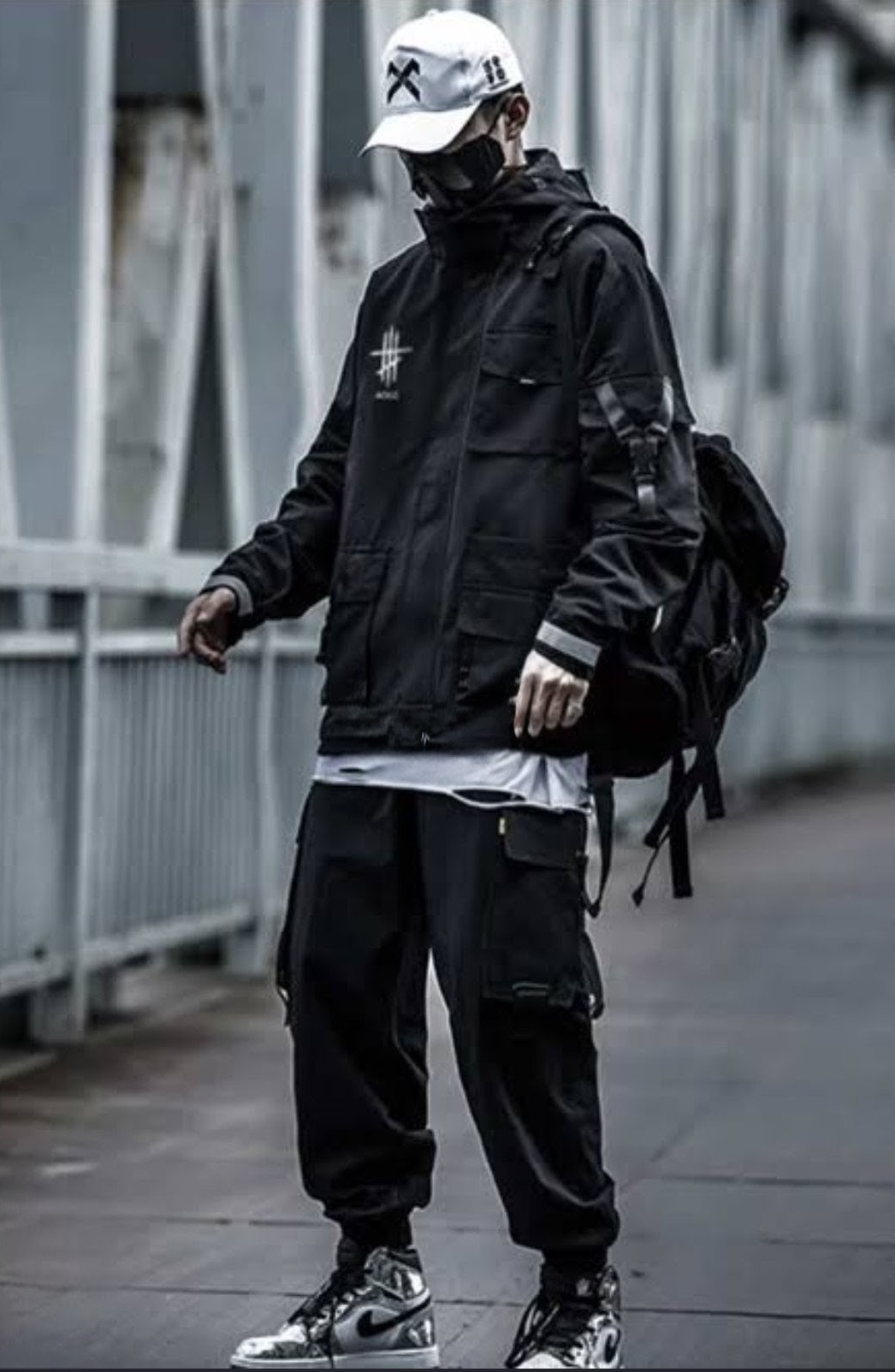
The flex here is that the fabric transforms based on your environment. It proves that heavy-duty, utilitarian outerwear can effortlessly be the most eye-catching, compliment-starting item in your entire rotation.
3. The Street-Ready Polo Layer
Forget everything you know about country club attire—the polo shirt has been completely hijacked by the streets. For 2026, the polo isn't worn alone; it is utilized as a strategic mid-layer. The move is to pop the collar deliberately over the neckline of a heavy crewneck or vintage hoodie.
Look for severely oversized fits that break away from traditional slim athletic cuts. We are seeing bold geometric color-blocking and premium textures like heavy jersey or fine waffle knits. It’s a subtle nod to classic prep, violently remixed with a defiant streetwear attitude that shatters conventional layering rules.
4. Wide-Leg Sustainable Hemp Trousers
The final nail in the coffin for skinny fits. Wide-leg hemp trousers are officially the new foundation of conscious streetwear. Offering far more structure than basic denim but wearing much softer than rigid vintage workwear, hemp provides a flawless natural drape and ridiculous durability that only gets better the more you beat it up.
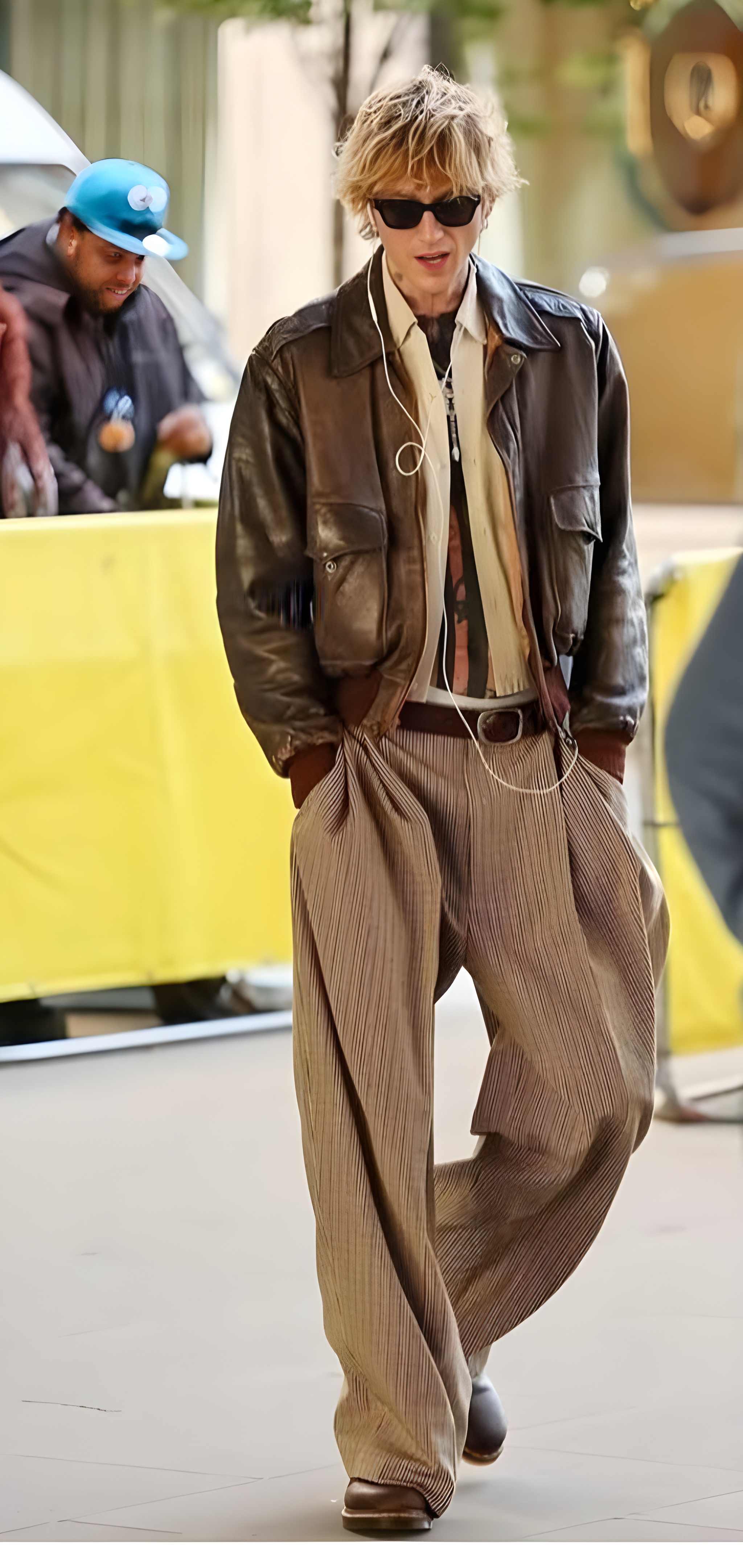
The silhouette is generously massive and perfectly straight. You'll often see carpenter-style loops or strategically placed tactical utility pockets. Dyed in natural, earthy tones like faded sage, mushroom, and washed stone, these pants ground your louder, brighter top layers while making a powerful statement about sustainable fashion.
Tokyo Drift: How Japanese Streetwear is Dictating Global Fashion in 2026
If you have ever seen a Tokyo street style snap on your feed and thought, “How does that outfit even work together?” trust us, you are not alone. Japanese streetwear has an unmatched ability to look entirely unexpected, yet flawlessly put together. It isn't built around one predictable formula, and that is exactly why it is the most respected aesthetic in the world right now.
You’ll see heavily oversized layering sitting right next to razor-sharp tailoring. Muted, wabi-sabi earth tones clashing with aggressive, futuristic graphics. And somehow, absolutely nothing looks out of place. To truly understand the gravity of Japanese street fashion in 2026, you have to look at how it was built. It didn’t just spawn overnight from modern hype culture; it is a slow-burn evolution shaped by strict tradition, rebellious youth culture, and a level of design intention the West is still trying to catch up to.
The Global Takeover: Why Japanese Fashion is Everywhere Right Now
Let's address the elephant in the room: Japanese fashion is completely dominating the global streetwear scene right now. Whether you realize it or not, the pieces you are currently wearing were likely influenced by Tokyo.
Why is it suddenly everywhere? Because Western streetwear hit a wall of predictable logo-mania, and the culture got bored. Gen Z started looking for something deeper—something with actual craftsmanship, unique silhouettes, and a story. Japanese brands offer exactly that. From the massive rise of archive fashion (hunting down rare 90s pieces from Japanese designers) to the global obsession with Japanese raw denim and avant-garde techwear, Tokyo has become the moodboard for the rest of the world. It’s no longer just a niche subculture; it is the blueprint for modern high-fashion and street culture alike.
From Traditional Roots to Modern Rebellion
Fashion in Japan didn’t start with graphic tees and chunky sneakers. It started with absolute structure. Traditional garments like the kimono were engineered with insane precision. The art of layering, the drape of the fabric, the specific cuts—everything followed a strict, beautiful logic.
That foundational DNA still heavily dictates Japanese fashion culture today. You can see it in how modern fits are constructed. Outfits aren't just "thrown on" haphazardly; they are arranged with surgical purpose. Modern Japanese streetwear might look beautifully chaotic and experimental, but it is rarely random. There is always a master level of control behind the drape.
How Harajuku Changed the Game
The true history of Japanese streetwear kicks off in the late 80s and early 90s. Urban districts like Harajuku became legendary safe havens for radical self-expression. The youth began experimenting with global influences—absorbing American hip-hop, British punk, and military surplus. But instead of just copying the West, they completely reworked it.
This was the era when legendary designers started shattering boundaries, questioning traditional fashion rules instead of following them. Simultaneously, pioneers in the Ura-Harajuku scene introduced the graphic-heavy, heavily curated aesthetics that birthed modern hype culture. What emerged wasn't just a fleeting trend; it was a permanent tectonic shift in how the world approaches clothes.
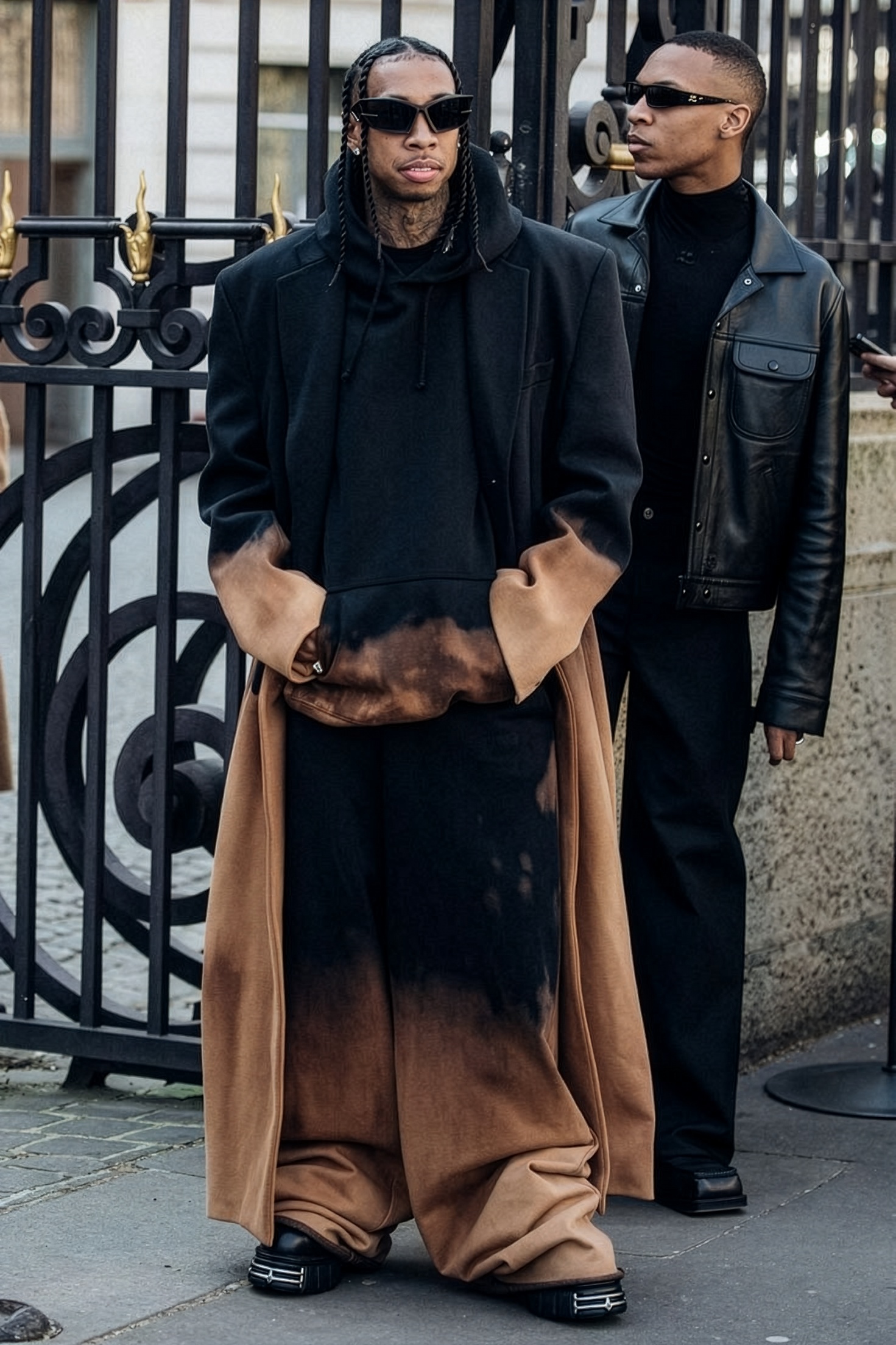
No Fixed Look, Just Pure Direction
The biggest flex of Japanese street style is its refusal to be boxed in. There is no single “correct” way to dress. Some icons keep it ruthlessly minimal—clean, sterile fits, neutral color palettes, and simple, high-quality layers. Others go full maximalist with aggressive textures, insane accessory stacking, and complex silhouettes.
The connective tissue between all these styles? Intention. People dress based on what feels right to their personal aesthetic, completely ignoring what is trending globally. It is less about seeking validation from the algorithm and entirely about expressing a personal narrative. That’s main character energy in its purest form.
Japanese Streetwear Trends in 2026: The New Refinement
Looking at the Tokyo streets in 2026, the shift is subtle but highly impactful. The oversized look is still very much alive, but it has grown up. It is far more structured now. Clothes fit immaculately around the shoulders, proportions are tightly controlled, and the layering feels incredibly clean rather than sloppy.
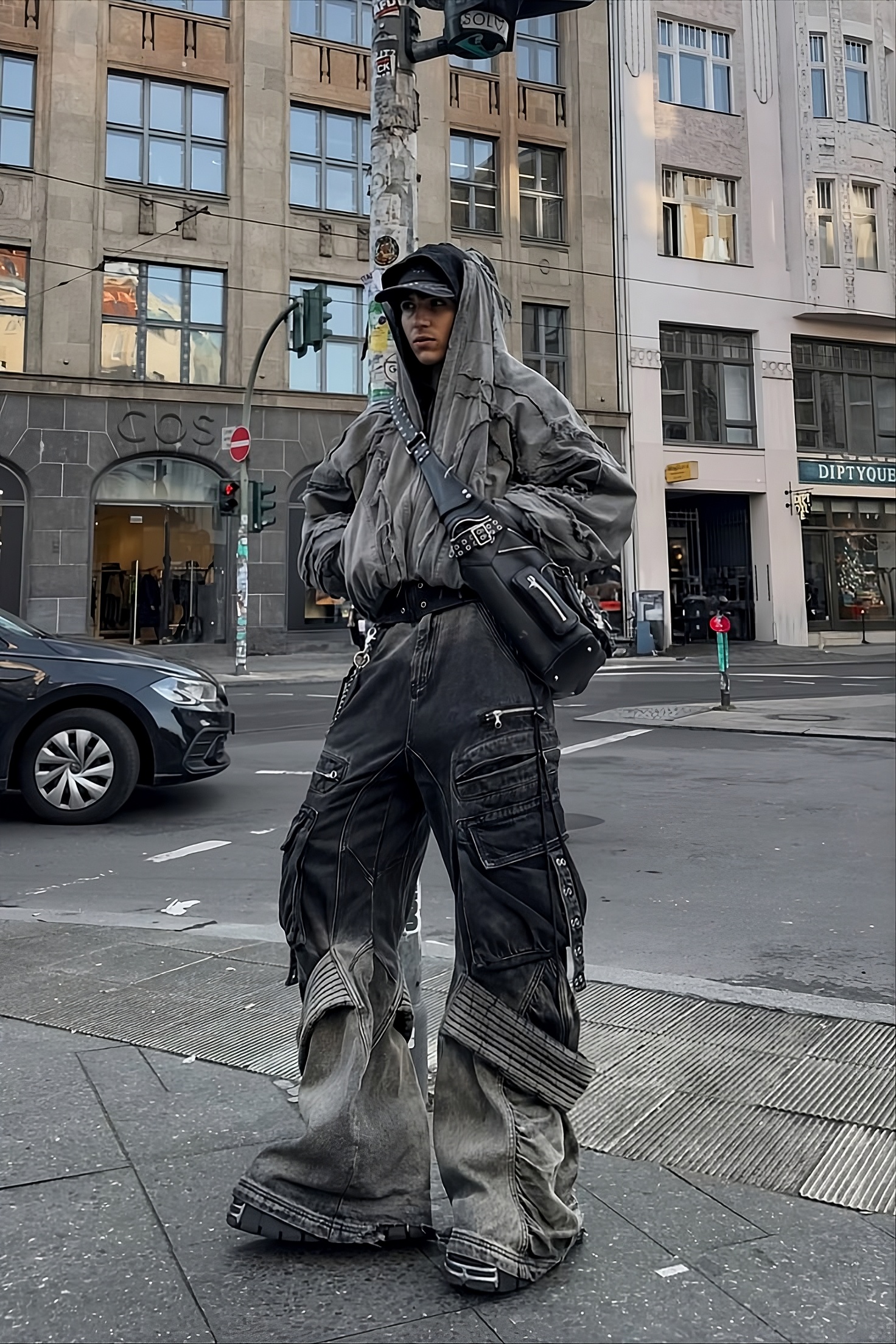
There is also a massive pivot toward material quality. Lightweight tech fabrics, breathable raw textures, and garments that actually perform in daily urban life are dominating. Loud, obnoxious logos are officially out. Instead, the ultimate flex is the silhouette and the construction of the garment itself. The overall vibe is highly refined, without losing that gritty individuality that defines the culture.
Innovation & Sustainability: The "Quiet" Flex
In Japanese streetwear, innovation doesn't always scream at you. It is hidden in the obsessive details—how a proprietary fabric behaves, how a complex pattern is cut, and how the garment naturally moves with your body. Design and functionality aren't separated; they are the exact same thing.
When it comes to sustainability, Japan approaches it completely differently than the West. It isn't about loud marketing campaigns; it’s about longevity. Brands focus obsessively on creating pieces that will literally outlast you. Instead of pushing disposable micro-trends, the culture respects "Archive" pieces. Producing fewer, higher-quality garments naturally kills waste. It fundamentally rewires how you shop—less impulsive consumerism, more intentional curation.
The ZAALS Wrap: Why We Are Watching Tokyo
Japanese streetwear does not need TikTok hype to stay relevant. It commands respect because its foundation is bulletproof—obsessive design, insane attention to detail, and a fearless sense of identity. You don’t need to directly copy Tokyo street style to learn from it. Simply paying attention to how they balance proportions, layer textures, and exercise restraint will permanently elevate how you put your own fits together.
Once you start dressing with that level of intention, your style naturally levels up. Not louder. Just undeniably better. Want to incorporate that elevated, structured aesthetic into your daily rotation? Hit the ZAALS shop to cop pieces that respect the art of the silhouette.
Frequently Asked Questions (FAQs)
What defines modern Japanese streetwear fashion?
It is an aesthetic that seamlessly blends traditional Japanese design principles (like precision and intentional layering) with modern, rebellious street culture. The focus is always on high-quality fabrics, unique silhouettes, and intense individuality over loud branding.
Why is Japanese fashion so influential globally in 2026?
Western fashion often chases fleeting micro-trends and loud logos. Japanese fashion, however, focuses on timeless craftsmanship, archive-worthy longevity, and avant-garde innovation. Global designers constantly look to Tokyo for the blueprint on how to mix function with high-end aesthetics.
What are the biggest Japanese streetwear trends right now?
In 2026, the oversized look has become much more tailored and structured. We are seeing a massive rise in "quiet" innovation—waterproof technical fabrics, complex layering, muted wabi-sabi color palettes, and a complete rejection of massive, flashy logos.
NYC Street Style 2026: What Are People Actually Wearing on the Streets?
Streetwear is in a constant state of evolution. If you want to see what the real fashion aesthetic looks like in 2026, there is no better place to look than the streets of New York City. People are completely ignoring strict fashion rules and curating crazy, aesthetic fits. We observed the most stylish people in NYC, and one thing is clear: the vibe has completely shifted.
People aren't just blindly chasing expensive hype brands anymore. The ultimate flex now is blending thrifted vintage grails with high-end luxury pieces. Let's break down the top NYC street style trends you need to incorporate into your rotation right now.
1. The Oversized Bomber & Vintage Tee Combo
The oversized trend is still king, but the styling has leveled up. In NYC, people are throwing massive, heavyweight bomber jackets over faded, perfectly worn-in vintage raglan tees. It gives off this completely effortless, "I woke up like this" energy. Throw on a cross-body bag and some chunky sneakers, and your fit is instantly elevated.
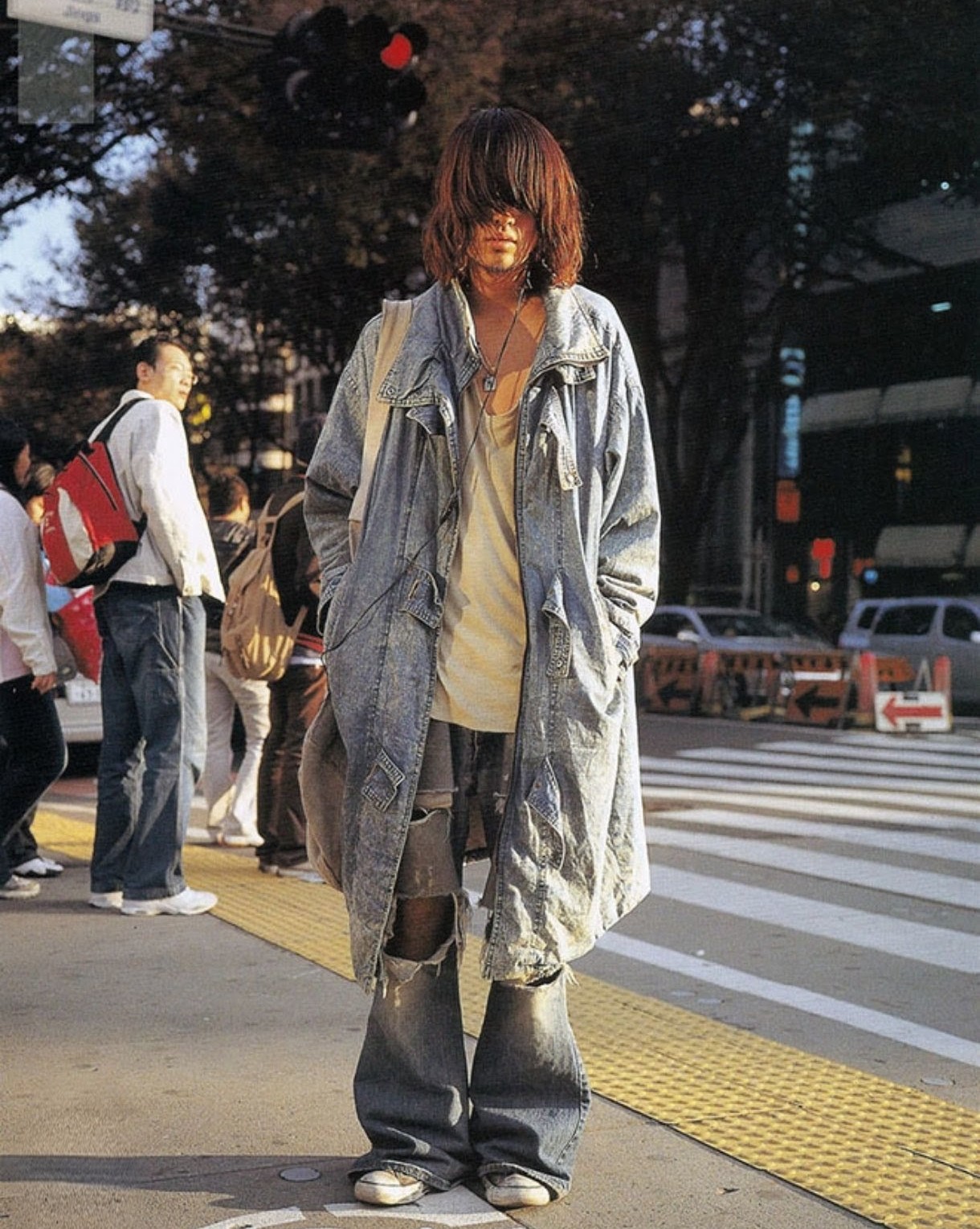
2. High-Low Fashion: The Ultimate Thrift Meets Luxury Mix
This is the biggest streetwear rule of 2026: your entire outfit does not need to be designer. We are seeing people rocking a $5 thrifted bandana or a beat-up Salvation Army chore jacket right alongside a Prada coat or a Dior saddle bag. It proves that you actually have an authentic sense of style and aren't just relying on loud labels.
3. The Harajuku Y2K Revival
Y2K and Japanese Harajuku aesthetics are making a massive comeback in NYC. We are talking floral dresses, Hello Kitty accessories, whipped cream nail art, and chunky platform boots. This style is for those who want their outfits to make a playful, unapologetic, and loud statement. Heavy, chaotic layering and bright, clashing colors are the heartbeat of this trend.
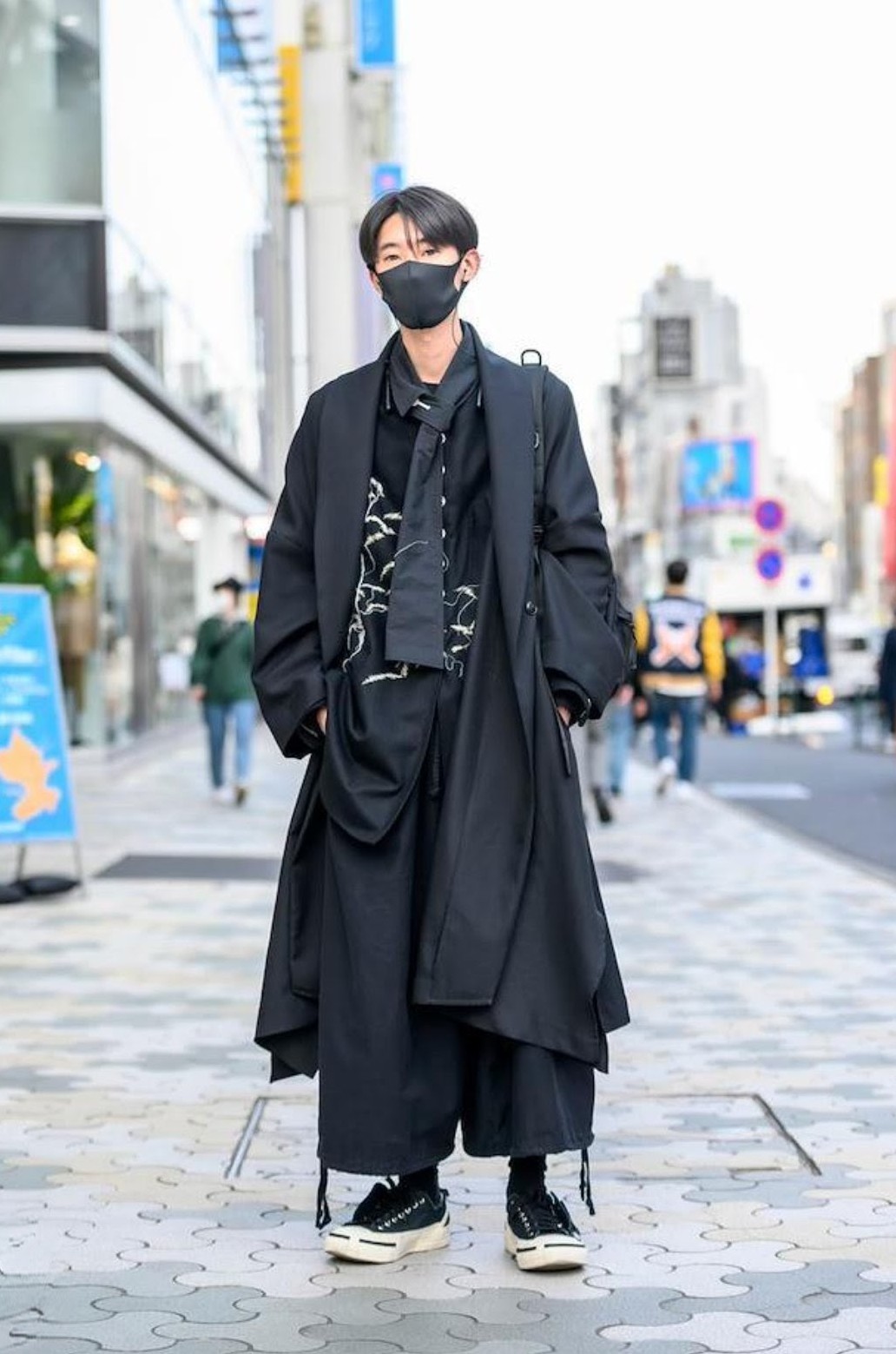
4. Baggy Trousers & Relaxed Silhouettes
Forget skinny jeans—they are completely dead. Streetwear bottoms right now are all about paperbag pants, wide-leg trousers, and massive fall-front pants. Comfort is the top priority. Whether you are going for an all-white clean monochromatic look or a dark grunge aesthetic, your bottoms must be flowy and baggy. Anchor the look with retro skate shoes or heavy combat boots to keep it grounded.
Streetwear isn't just about the clothes you wear; it's entirely about how you carry them. Hit the ZAALS shop to get inspired by these trends and cop your next premium drop.
← Back to Shop